Speed is hardly pretty much the time clock on a wall surface. On an office internet site, setup time converts to lane-closure permits, crane leasings, workers overtime, noise windows, groundwater control, and the actual variety that matters: times up until the superstructure or even repair service may continue. When managers talk to which system sets up faster, helical piles or driven protection piles, the honest answer is actually, "It relies," yet certainly not in a hand-wavy method. Soil stratigraphy, access, use impact, and also load profile tip the scales, sometimes greatly. If your target is cutting days, and even hours, from a routine without sacrificing ability or observance, you need to have to review the process actions alongside and also in the field health conditions you really have.
I have actually devoted enough opportunity around rigs, twist displays, and also inspectors to recognize that headline speeds often hide the slow-moving parts, like relocating devices with a real-time structure or arranging shipping of the appropriate extensions. The information below mirror that lived truth, certainly not a producer's brochure.
What "speed" actually indicates in the field
Installation velocity turns up in four spots. Initially, use: the time to obtain workers, materials, as well as tools to the location where the first pile begins. Second, creation cost: the number of piles per shift your team finishes in the ground you have, to the depths you actually require. Third, disruptions: inspections, screening, sound limitations, or even wreckages that stop work. 4th, demobilization and also handoff: cleaning, evidence screening documents, as well as the minute the building may rely upon the put up system.
Helical stacks and also driven resistance heaps deal with these periods differently. Helicals are torque-installed using gas rides and also comparatively tiny equipment, while protection stacks are actually generally driven along with a gas ram responding against the existing design or even a short-term framework, seating elements till defined capacity is obtained through disk tension or collection. Both techniques prevail in commercial foundation repair as well as in commercial foundation stabilization for brand new and also existing structures.
How helical piles go into the ground
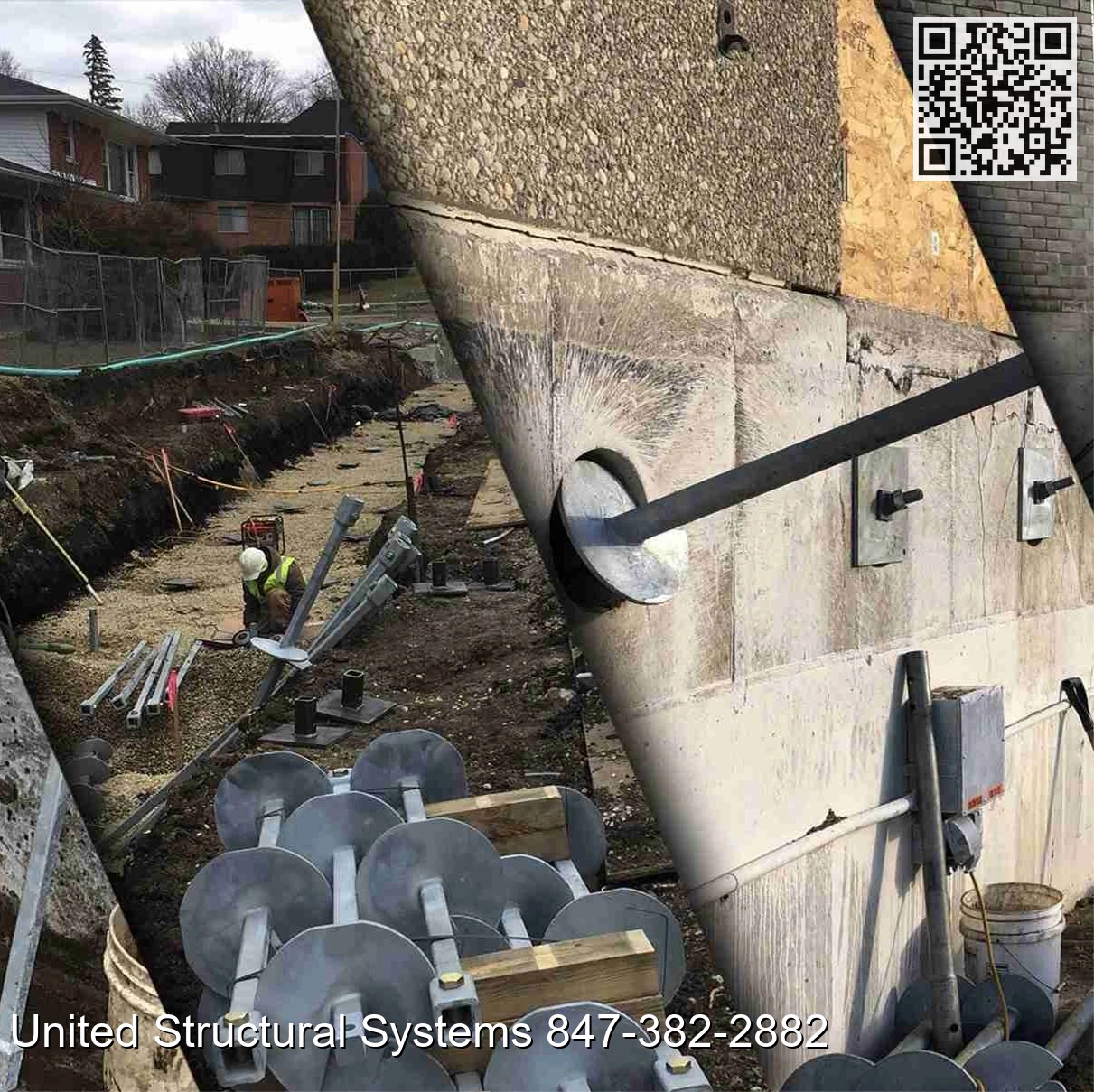
A helical pile utilizes several helical layers bonded to a central shaft. You revolve it in to the soil, accelerating the helix similar to a screw. In commercial helical pile installation, the workers commonly uses a skid steer, mini-excavator, or even sleek backhoe with a high-torque ride scalp. You track twist regularly to estimate ability. When you reach aim at twist at depth, you terminate with a new-construction limit or even underpinning brace. For side or even uplift demands, you could add helical anchors or helical tieback anchors, put up in a similar way however cast as well as secured into more proficient dirt. For preserving wall surfaces or even cellar walls, commercial helical tieback anchor installation frequently join shotcrete or soldier piles.
From a velocity viewpoint, the straightforward benefit is turning over effect. You don't need heavy impact hammers, you typically stay clear of pre-drilling, and also you may work in limited insides where height is actually restricted. On a solitary shift along with decent soils, a seasoned two to three individual crew typically establishes 8 to 20 helical piles, with outliers much higher when everything clicks on. Quick runs under a hundred stacks find the absolute most remarkable benefit considering that mobilization is actually mild. For deep foundation repair in active properties, helicals can be put in with low resonance, lowering sychronisation with sensitive tenants.
How driven protection piles are actually installed
The steered resistance pile, sometimes got in touch with a push boat dock or resistance boat dock, is actually a compression-only body very most widely made use of for structural foundation repair. You established a brace at the ground, after that steer steel pipeline portions with a gas ram, using the weight of the design as reaction. You push sections till intended tension is connected with or even you reached refusal. As soon as all heaps under a footing connect with the suggested worth, you can raise if concept asks for it and secure off.
The velocity of commercial resistance pile installation could be great when the building offers good reaction and dirt is consistent. While mobilization might be actually also lighter than helicals in an underpinning context, the manufacturing cost can vary much more given that each boat dock depends upon true structure body weight and also the precise ground coating pattern. If you must include brief response structures or even if footings are uneven, speed decreases. In agape brand new building, resistance stacks are actually much less common than helical piles or even micropiles, however on repair work tasks they are staples given that ability evidence is actually quick through drive pressure.
Measuring the clock: normal production ranges
Tie velocity to sensible numbers rather than best-case tales, and also designs appear. In silty sands or even stiff clays with low debris, a helical setup can accelerate at around 1 to 3 mins every foot once the ride head is actually involved, certainly not considering alignment or even coupling. Midsts of 20 to 40 feets are common in lots of business setups, which places a singular stack at 30 to 90 moments if every little thing goes smoothly. On a web site along with unhampered accessibility and also moderate torque criteria, a team may frequently complete 10 to 16 helical piles in a basic time. Incorporate difficult levels, cobbles, or even waste filler and the rate may fall to 4 to 8 every day due to affix shears, re-drives, or switching to bigger helices.
Driven protection heaps typically relocate much faster when the framework supplies a sturdy reaction. In underpinning setting, steering twenty to 40 feet can easily take 15 to 45 moments every area, again excluding brace preparation, which is the slow component. If grounds are actually well-maintained, even, and also accessible, as well as if no temporary shoring is needed, it is reasonable to reach 6 to 12 piers each day along with a tiny crew. The spread is actually broad due to the fact that footing prep can easily multiply or even three-way time if concrete demands coring or if support conflicts. If you acquire a "block wall" at 8 feet and need to have to switch over systems or even pre-drill, the entire time may skew.
For comparison, micropiles take up a 3rd street. Micropile installation includes piercing a little diameter shaft, putting steel, as well as grouting. Production may be constant in really thick urban web sites where steered options would be actually constricted through noise or even resonance. In profits for vast application, micropiles give up raw velocity per opening. Assume 2 to 6 daily relying on size, drilling procedure, and also subsurface conditions. On jobs where commercial micro pile installation brings the lots because of reduced space or even obstructions, schedule assurance usually beats speed.
Mobilization as well as create time
Equipment choice specifies the tone. For commercial helical pile installation, propelling a small digger along with a 10 to twenty thousand foot-pound drive head, twist monitoring, and an associate pile areas is actually straightforward. You can stage within a couple of garage. For inner parts, you spin the drive head through double doors, at times partly, and also reassemble within. You need open space equivalent to the lengthiest area you plan to mount, usually 5 to 7 feet for segmented bars. Very little web site prep ways your very first development heap may start within hours of arrival.
With protection stacks, the lightest path exists when underpinning. You need braces, gas rams, hose pipes, a pump, and also steel portions. You additionally need footing get access to, which suggests digging at each pier site, sometimes viewed cutting pieces, and cleaning the footing bottom. That prep period may take in half the day on the 1st handful of places. In advantageous conditions, however, once the brace is set, driving is actually lively. The speed inquiry rests on just how repetitive the ground detail is. If all footings complement, create becomes assembly line work.
Noise, vibration, as well as work windows
On medical centers, information facilities, as well as occupied offices, sound home windows and vibration limits dictate setup rhythm. Helical piles are actually peaceful. You listen to the hydraulic ride and soil rubbing, not knock strikes. This typically implies longer continual job home windows and less interruptions, which increases helpful rate regardless of whether pure manufacturing rates are similar. Resistance piles create more sound during ground preparation than during the course of driving, considering that the gas jack is actually rather silent. In vibration-sensitive settings, both bodies exceed impact-driven piles as well as a lot of exploration techniques, however helicals commonly gain fewer noise complaints.
Access as well as space constraints
In basements, tunnel-adjacent job, or even retail fit-outs, headroom eliminates rate. Helical units conform effectively with brief sectors and also right-angle drives. You may set up helical tieback anchors with a coring sleeve inside a strict mechanical space, working around ductworks and lines. Protection heaps also polish in low clearance because segments need and the port rests at the ground. The decider comes to be geometry: helicals need to have rotational open space, resistance heaps need to have bracket space. In my knowledge, helicals move a lot faster where space is actually tight yet reasonably open around the heap place, while resistance heaps win when the footing is the only available area as well as you can easily excavate straight under it.
Soil disorders that quicken or even stall each method
Soil governs creation, capacity connection, and also crew morale. Helical piles adore uniform, fine-grained grounds as well as stiff clays. They detest large cobbles, trapped development particles, as well as incredibly smooth all natural levels where torque rises but layers perform certainly not "attack" properly. Pre-drilling is an option but reduces the effects of some speed perks. In sands along with high groundwater, torque relationship continues to be sound, as well as the process keeps well-maintained matched up to slurry drilling.
Resistance stacks choose profile pages where end bearing or even rubbing constructs steadily and also the structure offers sufficient response to drive to make tensions. They struggle in really mild buildings where you can certainly not create sufficient response to breakthrough heaps. In those situations, a short-term reaction frame adds price and opportunity. They also reduce when you come across varying coatings under adjacent braces, because every place develops into its own investigation.
Micropiles take care of very most unpleasant ground but at the expense of velocity. If your website has junk filler or karst gaps, micropiles supply certainty by exploration and also grouting with it, which can easily stabilize a timetable that would certainly or else be actually unpredictable with steered systems.
Quality control and verification of capacity
Helicals provide torque-to-capacity connection. The majority of developers make use of reputable relationships together with site-specific gradation if required. Twist monitoring is constant, logged, and easy to evaluate. From a rate standpoint, that suggests capability proof takes place during development, and you perform not wait for grout to remedy or even cylinders to get there. For commercial foundation stabilization under time stress, that is a large plus.
Resistance heaps show ability through drive pressure as well as collection, which the examiner can easily witness as well as log in real time. Proof and airlift frequently take place the same time, speeding structural foundation repair. The pause comes when footing variability or eccentric bunches demand re-checks or even additional heaps, which you discover one brace at a time. Helicals tend to show concerns previously by means of twist trends.
Micropiles demand cement remedy and also, if indicated, load exams that take place after a hanging around time period. On long timetables or even multi-phase building and construction, that is actually manageable. On an urgent commercial foundation repair where a pillar needs to have to be back on the web tomorrow, micropiles hardly ever contend on speed.
Case designs that reveal the trade-offs
A workplace build-out in a midtown tower must replace a row of columns with a transmission beam, needing new deeper supports in a garage with 9-foot clearance and also stringent sound restrictions. Helical piles hit 35 feet by means of fill in to dense sand. 2 drivers and also a laborer put in 12 stacks over 2 times, consisting of layout, torque monitoring, and also caps. A driven choice would certainly require pre-drilling through floor shafts to gain reaction or even short-term frameworks, incorporating a time or two.
A big-box retail settlement deal repair used protection stacks since the slab as well as footings came and consistent. Footing bottoms were actually tidy, the structure carried good body weight, as well as ground was actually an expected silty clay. 2 staffs averaged 10 to 14 boat docks per day, raising parts as they went, and debated locations to floor contractors in turn. Helicals would have functioned, however brace prep was actually the pacing product regardless, and also resistance heaps possessed reduced components expense every location.
An illumination making facility on incredibly soft alluvial grounds favored helical piles for brand-new equipment pads. The building's weight will not have given ample reaction for resistance stacks during the course of installment, and also momentary frameworks would possess decreased traits down. Helicals arrived at design twist at 42 feet along with 8-inch and also 10-inch layers, as well as the crew kept a constant rhythm, 9 to 11 heaps every day every gear, even with slight twist slows around stashed debris.
Tiebacks and supports: timetable utilize on side work
For retaining constructs and basement walls, helical tieback anchors accelerate routines considering that you can examine all of them quickly to design tons and move to the upcoming place. No grout cure, low clutter. On a shotcrete soldier stack wall along a residential or commercial property pipe, our company raised tiebacks at 15 to 25 moments each in channel dense sands, assessed on the spot, and cut to size. Typical grouted tieback anchors would have pushed a multi-day lag between drill, cement, and exam, crowding the wall with professions and slowing down rebar and also shotcrete crews.
That pointed out, if geology is fractured rock or even highly changeable, grouted tiebacks might outpace helicals simply by boring with the complication layers with certainty. As always, speed complies with predictability.
Logistics that quietly determine outcomes
Crews shed speed at combinings and also in setting up. Along with helicals, prepare your expansion mix to lessen junctions: way too many short sticks conserve clearance but burn time. Always keep a clean laydown, source of power within tube duration, and additional nail down standby. Watch on torque calibration, because a lifeless transducer ceases a work faster than anything.
Resistance stack teams gain opportunity by standardizing bracket prep. Saws as well as nicking guns staged every area, layouts for screw openings, as well as pre-cut shims bring in the distinction in between 30 minutes and 90 moments. If you need to relocate spoil or even function in slender troughs, schedule a committed worker to maintain the pile lead very clear so the port operator never waits.
For commercial helical pile installation and commercial resistance pile installation in urban web sites, shipments should unite along with the job front. Twenty mins waiting on a forklift five times a time eliminates the theoretical rate conveniences of any sort of system.
Where cost converges along with speed
Projects seldom pay for rate alone. If products for helicals set you back more than press boat docks, or the other way around, a routine gain need to make up for dollars. The fastest put up can shed to a somewhat slower approach if workers dimension is leaner or if you may operate two smaller rigs in matching rather than one bigger body with an abandoned second workers. Micropiles, although slower every site, could allow evening job when loud choices are prohibited, and that can compress calendar times sufficient to win.
The right metric is actually frequently piles per crew-day every dollar of all-in cost. Helicals succeed at modest counts with daunting gain access to. Resistance piles excel at recurring base on larger establishments. Micropiles stand out at intricate geology or quite tight corridors along with expected, if slower, progress.
Foundation fracture fixing and also the clock
Crack repair in office environments frequently couple with deeper elements. If a wall reveals stair-step gaps linked to negotiation, your timetable relies on stabilizing action before epoxy injection or even carbon dioxide fiber work. Helical piles under concern footings can arrest activity rapidly, and helical tiebacks can easily ease side bunches responsible for a bowing wall in order that fracture fixings hold. Protection heaps may do the same in squeezing zones. The setup approach you decide on dictates when you may securely infuse, spot, as well as reopen the room. A time or more reduced deep foundation repair often spares a week of follow-on business, which is why superintendents stress over the heap calendar.
Practical support for opting for velocity on your project
- If space is limited, noise is limited, as well as dirt is actually fairly consistent, helicals normally provide the quickest path to capacity along with minimal disruption. If you are deriving bigger office footings along with great get access to as well as even information, resistance piles commonly exceed helicals when footing prepare is actually streamlined. If geography is dangerous to driven bodies or gain access to is extreme, micropiles may move slower per hole yet maintain the routine expected and also workers productive. For lateral or uplift necessities against tight routines, helical anchors and helical tieback anchors steer clear of grout treatment and also make it possible for prompt proof testing. When a design is actually also light to respond for resistance piles, expect hold-ups from short-term structures. Helicals bypass that, which commonly produces all of them faster in spite of comparable per-pile times.
A closer look at staff make-up and productivity
On a traditional helical team, you have a driver on the digger or skid, a lead for placement and twist tracking, and also a worker dealing with extensions and also pins. With really good rhythm, the driver certainly never leaves the managements. The torque top sets centerline and examinations plumb, and the laborer feeds the next item. Any time the driver walk out to help with combinings, production falls. Little tweaks, like pre-lubed bolts and also a darkness panel for wrenches, maintain movement fluid.
For resistance heaps, the bracket team does the heavy hauling. The operator handles digging and also ground preparation. The port driver and also a second laborer ride sections, monitor stress, as well as weld or even pin joints as needed. Due to the fact that each location has its very own mini-sequence, training for repeatable brace create and also steady bearing area finish is the greatest lever on speed. Workers that photograph as well as document each brace prior to driving catch inaccuracies early and steer clear of rework that burns half-days.
Documentation as well as turn over without losing time
Inspectors love reports much more than your stop-watch, as well as rightfully thus. For helical piles, tidy twist records with intensity versus twist graphes, stack i.d., and termination particulars permit the developer validate the exact same day. For protection heaps, disk pressure records per assist, brace IDs, and also assist records support recognition. Develop layouts for each. When commercial foundation repair features lots of interior piles inside an operating center, documents hold-ups can delay follow-on trades even if the heaps entered fast.
The task of concept selections in field speed
Design is certainly not neutral to hasten. A helical design that utilizes a slightly much larger coil to reduce deepness through 10 feets may save a day all over dozens of stacks. A protection pier style that settles places right into symmetrical teams can easily reduce lift cycles and also minimize the variety of uses. On micropiles, selecting a studying with the leading junk area prevents stuck rods and shed tooling, always keeping exploration continuous. Engineers and service providers who team up early may trade small material increases for big routine gains.
Where the two units fulfill in hybrid solutions
Plenty of industrial jobs profit from blending devices. Helicals can deal with internal pillars where access is actually precarious, while resistance heaps assist perimeter footings along with much better digging gain access to. Helical tiebacks can easily deal with side loads on a wall structure while micropiles take upright loads at the same soldier piles. The fastest overall schedule occasionally stems from making use of each device where it manages better, as opposed to compeling one procedure to do everything.
Bottom line for schedulers and also owners
If installation speed is the priority, helical piles usually bait projects along with limited gain access to, strict sound limits, or even adjustable work windows. Protection piles commonly lead on repetitive underpinning under bigger commercial structures where bracket prep can be standardized. Micropiles provide routine assurance in hard ground at the cost of slower per-hole opportunities. For many commercial foundation stabilization projects, the fastest surface pairs helicals for upright loads with helical tieback anchors for side management, handing off to fracture fixing and also superstructure job without a treatment delay.
The smartest approach is to simulated up 1 or 2 locations early. Monitor actual moments for each step, certainly not merely the boring or driving. Step bracket prepare, Home page coupling opportunity, verification, and also cleaning. Make use of that information to project your crew-day matter. With truthful amounts, the selection between a helical pile as well as a resistance pile becomes clear, and the times you save will turn up certainly not just in the heap log however in the crucial path that matters to every person on site.
 Ask ChatGPT
 Ask Grok
 Ask Perplexity
 Ask Claude
 Ask Google AI
 Ask You